
The Importance of Communication in Health and Social Care Training
Communication is at the heart of every successful healthcare interaction. Whether supporting patients, working with families, or collaborating with healthcare teams, strong communication skills help ensure safe, compassionate, and effective care. For students pursuing a CACHE Certificate in Health and Social Care, learning how to communicate professionally is one of the most important aspects of their training.
A CACHE Level 2 Diploma in Health and Social Care equips learners with practical communication techniques that prepare them for real-world healthcare environments. These skills not only improve patient experiences but also enhance teamwork, reduce errors, and support better healthcare outcomes.
Why Communication Matters in Health and Social Care
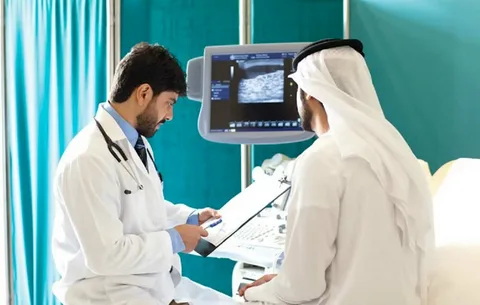
Healthcare professionals interact with individuals from different age groups, cultures, and medical backgrounds every day. Many patients may feel anxious, vulnerable, or unable to express their needs clearly. Effective communication helps professionals understand these needs while providing reassurance and high-quality care.
Building Trust with Patients
Trust is the foundation of every positive healthcare relationship. Patients are more likely to cooperate with treatment plans and share important health information when they feel respected and understood.
Good communication enables healthcare professionals to:
- Listen actively to patient concerns
- Explain treatments in simple language
- Encourage patients to ask questions
- Show empathy and compassion
- Build confidence throughout the care journey
These interactions contribute to a positive patient experience and improve overall satisfaction.
How a CACHE Certificate in Health and Social Care Develops Communication Skills
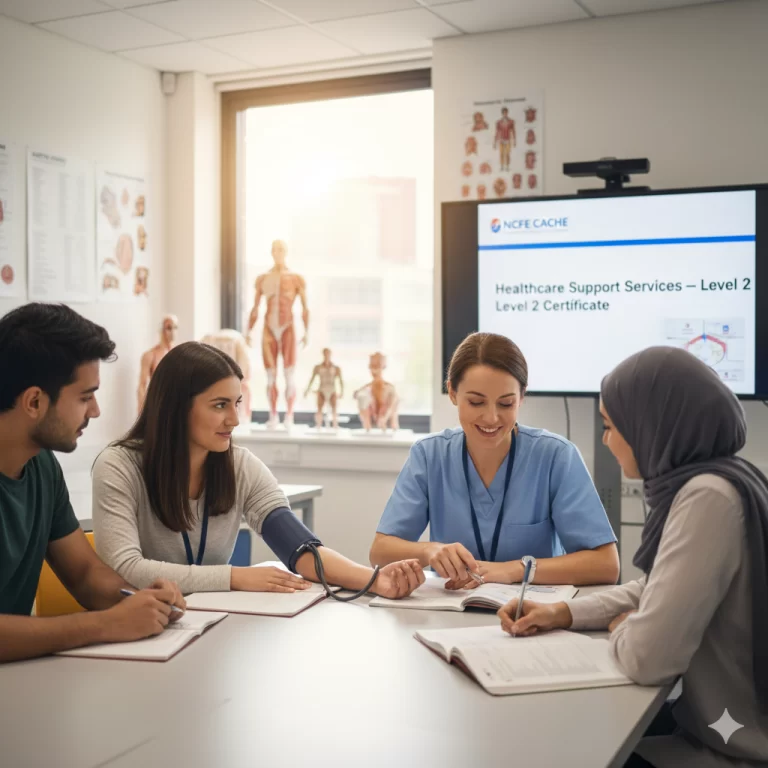
A CACHE Certificate in Health and Social Care is designed to help students develop both verbal and non-verbal communication skills that are essential in healthcare settings.
Key Communication Skills Covered During Training
Students learn how to:
- Communicate clearly with patients and families
- Practice active listening
- Record patient information accurately
- Maintain confidentiality
- Resolve conflicts professionally
- Work effectively within multidisciplinary teams
- Adapt communication for individuals with different healthcare needs
These practical skills prepare learners for professional responsibilities in hospitals, clinics, residential care homes, and community healthcare settings.
Supporting Person Centred Care Through Effective Communication
Modern healthcare focuses on delivering person-centred care, where every individual is treated with dignity, respect, and compassion. Communication is essential for understanding each patient’s preferences, concerns, and personal circumstances.
Respecting Individual Needs
During a CACHE Level 2 Diploma in Health and Social Care, learners understand the importance of:
- Respecting cultural diversity
- Promoting equality and inclusion
- Protecting patient dignity
- Encouraging independence
- Involving patients in care decisions
These principles help healthcare professionals provide personalised care that supports both physical and emotional well-being.
Improving Teamwork Across Healthcare Services
Quality healthcare depends on effective collaboration between nurses, doctors, caregivers, therapists, and support staff. Clear communication ensures that patient information is shared accurately and care plans are followed consistently.
Working Effectively as Part of a Healthcare Team
Students learn how to:
- Share patient information professionally
- Report changes in patient conditions
- Document observations accurately
- Communicate during patient handovers
- Collaborate with multidisciplinary healthcare teams
Strong teamwork reduces the risk of misunderstandings and contributes to safer, more coordinated patient care.
Building Confidence in Challenging Situations
Healthcare professionals frequently encounter emotionally sensitive situations that require patience, empathy, and professionalism.
Communicating with Compassion
A CACHE Level 2 Diploma in Health and Social Care prepares learners to communicate confidently when supporting:
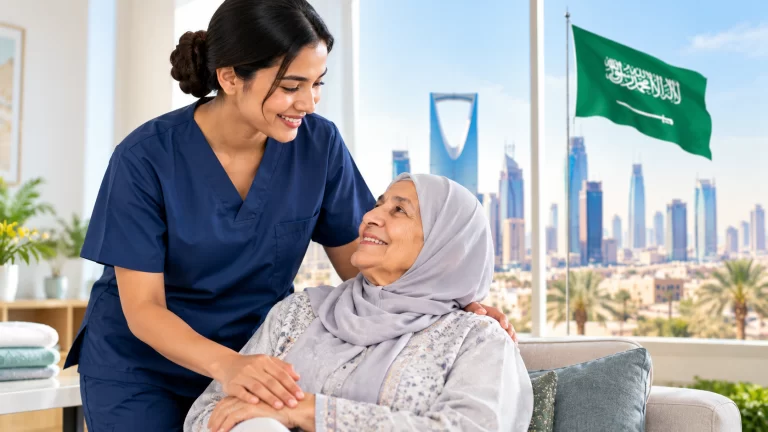
- Elderly individuals
- Patients with dementia
- People living with disabilities
- Individuals with chronic illnesses
- Families experiencing emotional stress
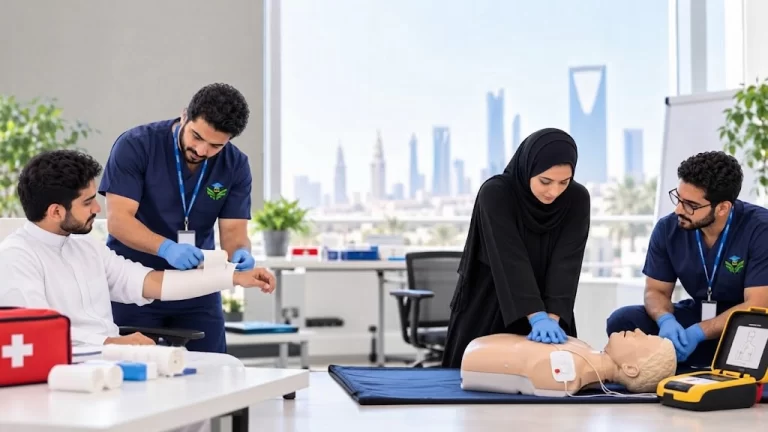
Role-play exercises, case studies, and practical learning activities help students build confidence before entering professional healthcare environments.
Why Employers Value Strong Communication Skills
Healthcare employers consistently seek professionals who can combine technical knowledge with excellent interpersonal skills.
Communication Improves Professional Performance
Strong communication helps healthcare professionals:
- Deliver safer patient care
- Build stronger patient relationships
- Improve teamwork
- Reduce medical errors
- Increase patient satisfaction
- Support better healthcare outcomes
A recognised CACHE Certificate in Health and Social Care demonstrates that learners possess the communication skills required to work effectively in today’s healthcare sector.
Preparing for a Successful Healthcare Career
Completing a CACHE Level 2 Diploma in Health and Social Care provides learners with the confidence and practical skills needed to begin a rewarding career in healthcare. Beyond clinical knowledge, effective communication enables professionals to provide compassionate, respectful, and patient-centred care in every healthcare setting.
Whether working in hospitals, care homes, rehabilitation centres, community healthcare, or home care services, communication remains one of the most valuable professional skills.
Conclusion
Communication is far more than simply exchanging information it is the foundation of safe, compassionate, and effective health and social care. Through a CACHE Certificate in Health and Social Care, learners develop the ability to communicate with patients, families, and healthcare teams in a professional and empathetic manner.
A CACHE Level 2 Diploma in Health and Social Care not only builds healthcare knowledge but also strengthens the interpersonal skills that employers value most. By mastering effective communication, future healthcare professionals are better prepared to deliver high-quality care, build meaningful patient relationships, and contribute positively to the healthcare sector throughout their careers.