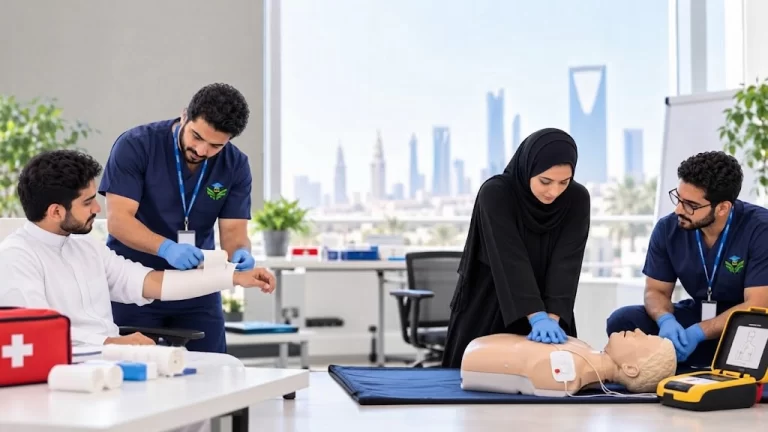

The Growing Demand for Healthcare Managers in Saudi Arabia
Saudi Arabia’s healthcare sector is undergoing a remarkable transformation, driven by population growth, technological advancements, and the ambitious goals of Vision 2030. As hospitals, clinics, rehabilitation centres, and long-term care facilities continue to expand, the need for skilled healthcare managers has increased significantly.
Healthcare organisations are looking for professionals who can efficiently manage operations, improve patient care, and ensure compliance with healthcare standards.
This growing demand has also increased interest in healthcare management courses in Saudi Arabia, which prepare individuals with the knowledge and leadership skills required to succeed in healthcare administration.
Alongside management education, a Healthcare assistant course in Saudi Arabia provides valuable clinical insight, making it easier for professionals to understand patient care and healthcare operations.
The Expanding Healthcare Industry in Saudi Arabia
Saudi Arabia continues to invest heavily in healthcare infrastructure to meet the needs of its growing population. New hospitals, specialty clinics, diagnostic centres, and community healthcare facilities are creating opportunities for both clinical and administrative professionals.
As healthcare organisations become larger and more complex, effective management has become essential to ensure efficient resource allocation, quality patient care, regulatory compliance, and operational excellence. This is why trained healthcare managers are increasingly valued across both public and private healthcare sectors.
Why Healthcare Managers Are in High Demand
Healthcare managers play a vital role in ensuring that healthcare facilities operate efficiently while maintaining high standards of patient care. They coordinate departments, manage healthcare teams, oversee budgets, improve service quality, and help healthcare providers deliver safe and effective care.
Their responsibilities often include:
- Managing healthcare operations
- Coordinating clinical and administrative teams
- Improving patient experience
- Ensuring compliance with healthcare regulations
- Managing healthcare resources efficiently
- Supporting quality improvement initiatives
- Planning workforce development
As healthcare systems continue to evolve, organisations require professionals who can combine leadership with a strong understanding of healthcare delivery.
How Healthcare Management Courses Prepare Future Leaders
Enrolling in healthcare management courses in Saudi Arabia helps learners develop the practical and theoretical knowledge needed to work in healthcare administration.
These programmes commonly cover areas such as:
- Healthcare systems and operations
- Leadership and team management
- Healthcare quality improvement
- Risk management
- Healthcare ethics
- Patient safety
- Communication and decision-making
- Healthcare regulations and compliance
Through case studies, practical learning, and industry-focused training, students gain the confidence to manage healthcare environments effectively.
The Importance of Clinical Knowledge
Successful healthcare management requires more than administrative expertise. Understanding how patient care is delivered allows managers to make informed decisions that improve both operational efficiency and healthcare outcomes.
A Healthcare assistant course in Saudi Arabia provides learners with valuable exposure to clinical environments, patient care practices, infection prevention, communication, and healthcare procedures. This practical understanding enables future healthcare managers to collaborate more effectively with nurses, physicians, and other healthcare professionals while making decisions that support patient-centred care.
Career Opportunities in Healthcare Management
Graduates with healthcare management knowledge can pursue opportunities across various healthcare settings, including:
- Hospitals
- Medical centres
- Rehabilitation facilities
- Primary healthcare clinics
- Home healthcare organisations
- Long-term care facilities
- Healthcare consulting companies
- Government healthcare departments
As Saudi Arabia continues expanding its healthcare services, professionals with management expertise are expected to remain in strong demand.
Supporting Saudi Vision 2030
Saudi Vision 2030 places significant emphasis on strengthening the healthcare sector by improving service quality, increasing operational efficiency, and expanding access to healthcare. Achieving these objectives requires capable healthcare leaders who can manage change, adopt innovation, and support continuous improvement.
Professionals who complete healthcare management courses in Saudi Arabia are well positioned to contribute to these national healthcare goals by helping organisations deliver efficient, patient-focused services.
Conclusion
The rapid growth of Saudi Arabia’s healthcare sector has created excellent opportunities for professionals interested in healthcare leadership and administration. As healthcare facilities continue to expand, the demand for qualified managers who can oversee operations, improve patient care, and lead multidisciplinary teams will continue to rise.
By enrolling in healthcare management courses in Saudi Arabia, learners gain the leadership, operational, and strategic skills needed to build successful careers in healthcare management. Combining this knowledge with the practical experience gained through a Healthcare assistant course in Saudi Arabia provides a strong foundation for understanding healthcare delivery, supporting clinical teams, and contributing to a modern, efficient, and patient-centred healthcare system.