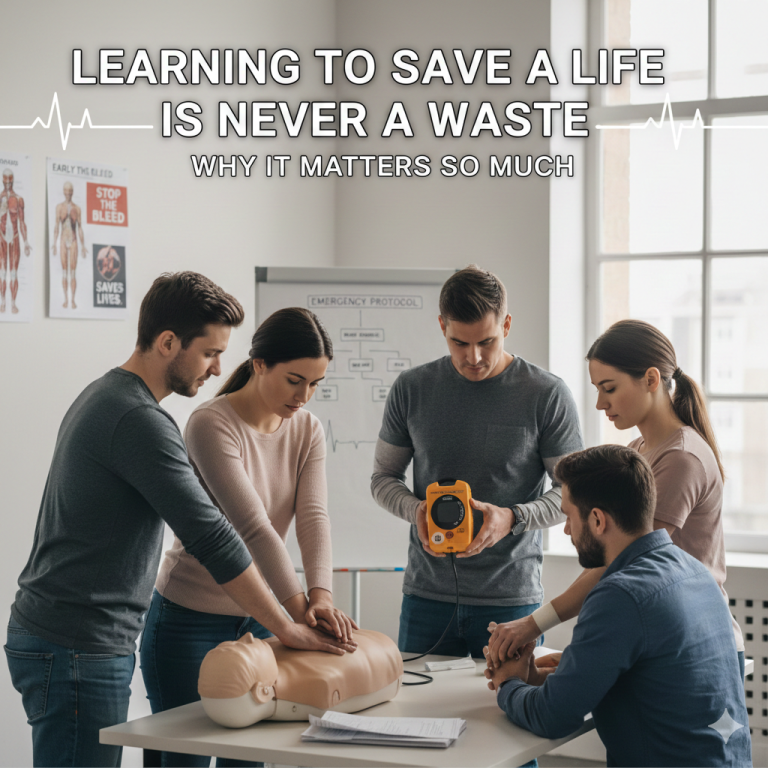

How First Aid Training in Saudi Arabia Builds Workplace Confidence
Workplace safety is not just about following rules it is about being prepared to respond effectively when emergencies occur. Whether in an office, construction site, hospital, school, or retail environment, unexpected medical incidents can happen at any time. Employees who know how to provide immediate assistance are more confident, proactive, and capable of protecting both their colleagues and the public.
Enrolling in first aid training Saudi Arabia equips individuals with practical emergency response skills and the confidence to take appropriate action until professional medical help arrives. Earning a first aid certificate Saudi Arabia also demonstrates a commitment to workplace safety and professional development.
Why Workplace Confidence Is Essential
Confidence is one of the most valuable qualities during an emergency. Without proper training, people often hesitate or panic, which can delay critical care.
Being Prepared for Unexpected Situations
Employees who receive first aid training are better prepared to:
- Stay calm during emergencies
- Assess situations safely
- Respond quickly and correctly
- Assist injured individuals before medical professionals arrive
- Help prevent injuries from becoming more serious
Preparation reduces uncertainty and enables employees to make informed decisions during stressful situations.
How First Aid Training Builds Practical Skills
Professional first aid training Saudi Arabia combines classroom learning with practical demonstrations and hands-on exercises. This balanced approach ensures participants understand both the theory and practical application of first aid techniques.
Essential Skills You Will Learn
Participants commonly learn how to:
- Assess emergency situations
- Control bleeding and treat wounds
- Respond to choking incidents
- Manage burns and fractures
- Assist individuals experiencing medical emergencies
- Place injured persons in safe recovery positions
- Contact emergency services effectively
Regular practical exercises help learners gain confidence in applying these skills in real-life situations.
Creating a Safer Workplace Environment
A workplace with trained first aid responders is better equipped to handle accidents and medical emergencies. Quick action during the first few minutes of an incident can significantly improve outcomes while waiting for professional healthcare providers.
Promoting a Culture of Safety
When employees complete a first aid certificate Saudi Arabia, they contribute to a workplace culture that values:
- Employee well-being
- Emergency preparedness
- Workplace responsibility
- Risk awareness
- Health and safety compliance
This creates a safer and more supportive environment for everyone.
First Aid Skills Benefit Every Industry
First aid knowledge is valuable across all industries, regardless of the work environment.
Industries That Benefit from First Aid Training
Professionals working in the following sectors can benefit greatly:
- Healthcare facilities
- Educational institutions
- Construction companies
- Manufacturing industries
- Hospitality and tourism
- Retail businesses
- Corporate offices
- Logistics and transportation
Since emergencies can occur anywhere, first aid knowledge is an essential workplace skill for employees across all professions.
Improving Teamwork and Leadership
Effective emergency response often requires teamwork. During first aid training Saudi Arabia, participants learn how to communicate clearly, cooperate with colleagues, and provide assistance in an organised manner.
Building Leadership During Emergencies
Training helps participants develop the ability to:
- Stay calm under pressure
- Take responsibility during emergencies
- Communicate effectively with colleagues
- Support emergency responders
- Work collaboratively to ensure patient safety
These leadership qualities are valuable not only during emergencies but also in everyday workplace situations.
Why Employers Value First Aid Certification
Many organisations actively encourage employees to complete first aid training because it strengthens workplace safety and demonstrates professional responsibility.
Advantages for Employees and Employers
Holding a first aid certificate Saudi Arabia can:
- Enhance workplace safety awareness
- Improve emergency preparedness
- Demonstrate professional commitment
- Support occupational health and safety standards
- Increase employer confidence in staff capabilities
Healthcare organisations, schools, construction companies, and many other industries particularly value employees with recognised first aid qualifications.
Supporting Long-Term Professional Development
First aid training offers benefits that extend beyond emergency response. Employees develop greater confidence, improve decision-making abilities, and strengthen communication skills that are useful throughout their careers.
More Than Just a Workplace Requirement
Professional first aid training helps individuals:
- Build confidence in challenging situations
- Develop practical problem-solving skills
- Improve communication under pressure
- Enhance teamwork and collaboration
- Become valuable contributors to workplace safety
These transferable skills support long-term personal and professional growth.
Conclusion
Emergencies require quick thinking, practical knowledge, and confident action. First aid training Saudi Arabia provides employees with the essential skills needed to respond effectively during workplace emergencies while promoting a safer working environment.
By earning a first aid certificate Saudi Arabia, individuals gain more than a recognised qualification they develop the confidence to protect lives, support colleagues, and contribute to a strong culture of health and safety. Investing in first aid training benefits employees, employers, and the wider community by ensuring that more people are prepared to respond when every second counts.