
Where Do Caregivers Work in Saudi Arabia? Job Roles, Requirements and Career Options
Quick answer: Caregivers in Saudi Arabia may work in private homes, home-care services, and other care settings, depending on the job role, employer requirements, and legal work eligibility. Caregiving training can help develop practical skills, but a certificate does not guarantee employment or qualify someone for every healthcare position.
Choosing a caregiving career starts with understanding where caregivers work, what their responsibilities involve, and which qualifications may be required. If you are considering caregiver training in Riyadh, knowing these differences can help you select a course that better matches your goals.
1. Where Do Caregivers Work in Saudi Arabia?
Caregiving work can involve helping older adults, people with disabilities, or individuals who need support with everyday activities. The actual duties and employment requirements depend on the workplace and the person’s care needs.
Private Homes
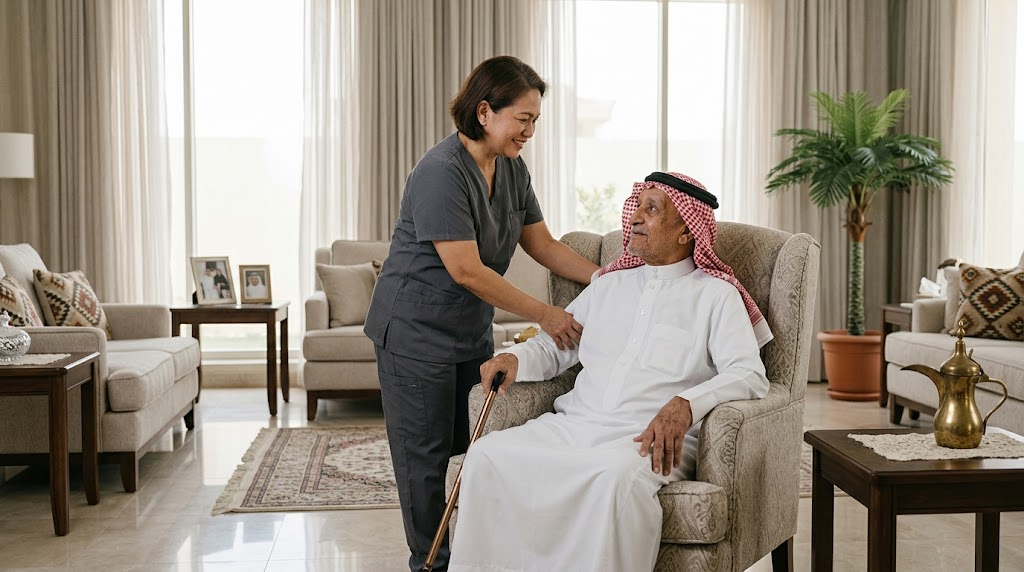
Some caregivers support individuals in their own homes. Their duties may include helping with personal hygiene, dressing, mobility, meals, companionship, and everyday routines.
Home-based care responsibilities should match the worker’s agreed role, training, and care instructions. Medical procedures should only be performed by appropriately qualified and authorized professionals.
Home-Care Services
Some employers provide services to people who need assistance at home. Available roles and entry requirements vary by employer, and positions involving clinical care may require specific professional qualifications or authorization.
Residential Care Settings
Residential care environments may require staff to assist residents with daily activities, comfort, mobility, and personal care. Applicants should confirm that the facility employs their intended role and check its qualification requirements before applying.
Important: Don’t assume every caregiver course qualifies graduates to work in a hospital, nursing home, hospice, or clinical healthcare role; the job title and the employer’s requirements matter.
2. What Jobs Can You Explore After Caregiver Training?
Depending on your skills, experience, and eligibility, you may explore caregiving-related roles such as the following.
Home Caregiver
A home caregiver assists a person with everyday activities in a private residence. Responsibilities may include personal care, mobility assistance, companionship, and following an agreed care routine.
Personal Care Assistant
A personal care assistant helps individuals who need support with activities such as dressing, grooming, eating, and moving safely. The precise responsibilities depend on the position and care plan.
Elderly Caregiver
An elderly caregiver supports older adults with daily routines, comfort, safety, and companionship. Patience, respectful communication, and an understanding of age-related care needs are valuable skills.
Dementia Care Support
Care workers supporting people with dementia may help maintain familiar routines, provide reassurance, and reduce everyday safety risks. Specialist roles may require additional training or experience.
Respite Care Support
Respite care provides temporary support to help family members or regular caregivers take a break. Availability depends on the care arrangement and the services offered by the employer.
These are examples of possible caregiving-related roles, not guaranteed job outcomes for graduates of a particular course.
3. What Qualifications Are Required to Work as a Caregiver in Saudi Arabia?
There is no single qualification requirement that applies to every caregiving job. Requirements depend on the type of employment, the employer, the duties involved, and the worker’s legal status.
Before applying, check the following:
- Education: Some employers may require a particular level of education.
- Caregiving training: A relevant course can help you develop practical knowledge and demonstrate training.
- Experience: Entry-level roles may accept beginners, while other positions may require previous care experience.
- Language and communication: The ability to understand instructions and communicate with the person receiving care can be important.
- Work eligibility: Foreign applicants must meet the applicable visa, work authorization, and employment requirements.
- Professional licensing: Roles involving regulated healthcare duties may require qualifications and approval from the relevant Saudi authority.
For domestic employment, review the official Saudi Ministry of Human Resources and Social Development guidance. The Musaned platform also provides official services and information related to domestic worker recruitment and employment.
4. Can You Work as a Caregiver After a Short Training Course?
A short caregiver course can help you learn essential caregiving concepts and practice relevant skills. It may be useful if you are new to caregiving or want to improve your understanding of personal care, mobility assistance, hygiene, and supporting older adults.
However, completing a training course does not automatically make you eligible for every caregiver job in Saudi Arabia. Employers may require additional qualifications, practical experience, or specific approvals.
It is also important to distinguish caregiving training from nursing qualifications. A caregiver certificate alone does not grant a Saudi nursing licence or automatically qualify its holder for a regulated nursing position.
If you are considering training in Riyadh, explore the Certified Caregiver Professional (CCP) course at Skills Zone Training Center. Review the course content and entry requirements, then compare them with the requirements of the roles you intend to pursue.
5. What Skills Are Useful for Caregiving?
Caregivers need more than a willingness to help. Useful skills include:
- Personal care: Understanding how to assist respectfully with hygiene and daily activities.
- Safe mobility assistance: Helping people move while following appropriate safety practices.
- Communication: Listening carefully and communicating clearly with individuals and families.
- Observation: Recognizing changes in a person’s condition and reporting concerns appropriately.
- Patience and empathy: Respecting personal preferences, privacy, dignity, and independence.
- Infection prevention: Following appropriate hygiene and infection-control practices.
- Professional boundaries: Understanding your responsibilities and knowing when to seek help from a qualified professional.
Training can help learners build these skills, but ongoing practice and following workplace procedures remain important.
6. Caregiver Course vs CNA Course in Saudi Arabia
Caregiver and Certified Nursing Assistant (CNA) courses have different training objectives. A caregiver course generally focuses on practical support with daily living and personal care, while CNA training is designed around nursing-assistant skills.
Before choosing a course, compare its curriculum, duration, practical training, entry requirements, and recognition with the requirements of your intended role.
Neither course certificate should be assumed to grant a Saudi healthcare licence automatically. If your goal is a regulated healthcare position, confirm the applicable requirements with the relevant employer and authority before enrolling.
7. How to Choose the Right Caregiver Training Course
Use these steps to make a more informed decision:
- Identify your goal. Decide whether you want to learn to support a family member or pursue a caregiving-related job.
- Research job descriptions. Review vacancies and note the qualifications, experience, and duties employers specify.
- Check the course curriculum. Look for relevant practical topics rather than relying on the course title alone.
- Confirm the training details. Ask about the duration, teaching format, fee, and entry requirements.
- Verify job eligibility. Check whether your intended position requires additional qualifications, licensing, or work authorization.
- Avoid employment promises. Be cautious of anyone guaranteeing a job or visa solely because you complete a short course.
Taking these steps can help you choose training based on your actual goals and the requirements of the role you want.
Frequently Asked Questions
Where can caregivers work in Saudi Arabia?
Depending on the position and applicable requirements, caregivers may work in private homes, home-care services, and other care settings. Employers determine the duties and qualifications required for each role.
Can beginners take a caregiver course?
Some caregiver courses accept learners without previous caregiving experience. Check the individual training provider’s entry requirements before enrolling.
Does a caregiver certificate qualify me to work as a nurse in Saudi Arabia?
No. A caregiver certificate alone does not grant a Saudi nursing licence. Nursing and other regulated healthcare roles have separate qualification and authorization requirements.
Does completing a caregiver course guarantee a job in Saudi Arabia?
No. Employment depends on vacancies, employer selection, qualifications, experience, and legal work eligibility. A course provider cannot guarantee a job or work visa simply through course completion.
How can I learn caregiving skills in Riyadh?
You can review the Certified Caregiver Professional (CCP) course at Skills Zone Training Center in Riyadh to check its course details, practical training, fee, and entry requirements.
Conclusion
Caregiving can involve supporting older adults and other people who need help with everyday activities, but job duties and entry requirements vary across Saudi Arabia. Before choosing a course, identify your career goal, research relevant vacancies, and verify any qualification or work-authorization requirements.
If you want to develop practical caregiving skills in Riyadh, visit the Skills Zone Training Center CCP course for course information and enrolment guidance. Remember that training is a step toward developing skills, not a guarantee of employment or professional licensing.